The short answer
- Call 911 for trouble breathing, swelling of the face or mouth, throat tightness or trouble swallowing after a sting, MedlinePlus says.[25]
- For a venomous sting or bite, Poison Help at 1-800-222-1222 reaches your local poison center from anywhere in the United States, free and confidential.[26]
- For a snakebite, NIOSH says to get emergency medical care right away and not to wait for symptoms.[24]
- Most pest-borne diseases start days to weeks after the bite. CDC says to see a doctor for a rash or fever after a tick bite.[9]
If someone may be poisoned
- Call 911 if someone with a sting has trouble breathing, wheezing or shortness of breath, swelling anywhere on the face or in the mouth, throat tightness or difficulty swallowing, feels weak or is turning blue (MedlinePlus).[25]
- Anaphylaxis needs immediate emergency care, NIOSH says; it can follow any sting in someone allergic to venom.[22]
- Scorpion, spider and other venomous stings or bites: call 911 or Poison Help at 1-800-222-1222. MedlinePlus says the line is free and confidential.[26]
- Black widow or brown recluse bite at work: NIOSH says to notify a supervisor right away and seek professional medical attention.[23]
- Snakebite: seek emergency medical attention as soon as possible (NIOSH).[24]
The pests behind the bites
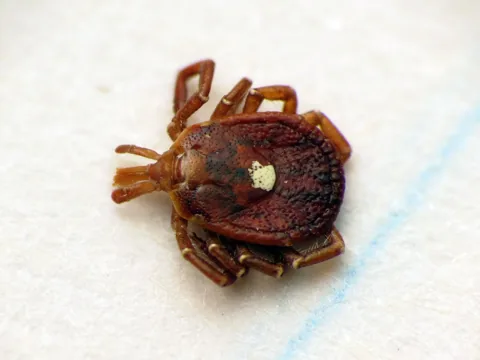 Lone Star Tick
Amblyomma americanum
The lone star tick is a very aggressive tick that readily bites people and pets across the Northeast, South and Midwest; its bite is linked to alpha-gal syndrome, a red meat allergy.
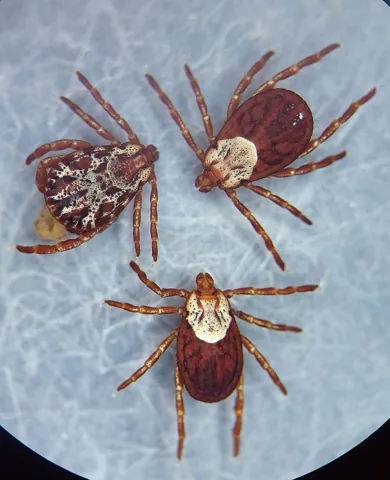 Rocky Mountain Wood Tick
Dermacentor andersoni
The Rocky Mountain wood tick is the tick most often found on people and pets in Colorado and Utah. It is most active in spring, then goes dormant as the weather turns hot and dry, and it is the vector of Colorado tick fever.
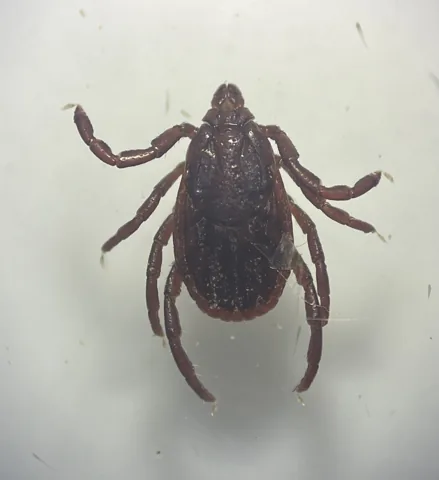 Brown Dog Tick
Rhipicephalus sanguineus
The brown dog tick is unusual: unlike most ticks, it can complete its entire life cycle indoors. It occurs across the United States, is met more often in the southern states, and can build up to high numbers on dogs and in homes and kennels. UF/IFAS Featured Creatures adds that this lets it set up populations even in colder climates.
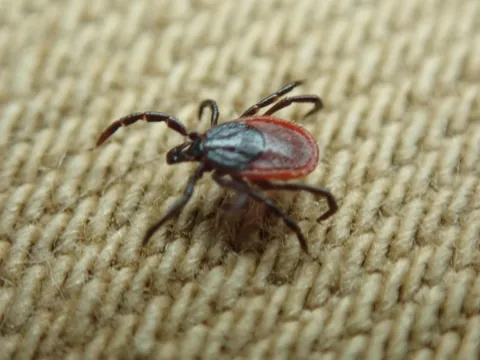 Western Blacklegged Tick
Ixodes pacificus
The western blacklegged tick is the Pacific Coast relative of the eastern deer tick and, in California, the only tick whose nymphs and adult females pass Lyme disease bacteria to people. It attaches to people more often than any other tick species in the state.
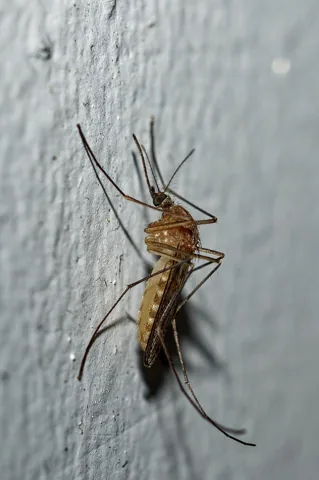 Northern House Mosquito
Culex pipiens
The northern house mosquito, Culex pipiens, is often the most common pest mosquito in cities and suburbs. It bites from dusk to dawn, breeds in stagnant and polluted water, and is a major carrier of West Nile virus in North America.
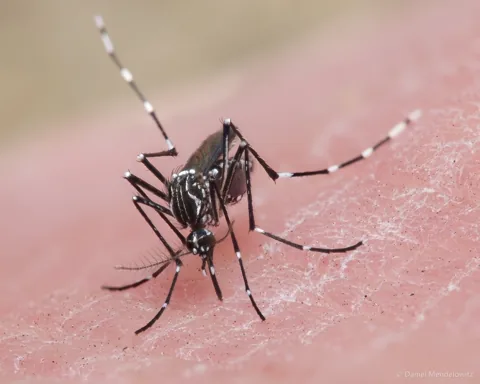 Yellow Fever Mosquito
Aedes aegypti
The yellow fever mosquito, Aedes aegypti, is a container-breeding mosquito that lives close to people and prefers to bite them. It lives indoors and outdoors, and the CDC calls it the main type of mosquito that spreads Zika, dengue and chikungunya viruses.
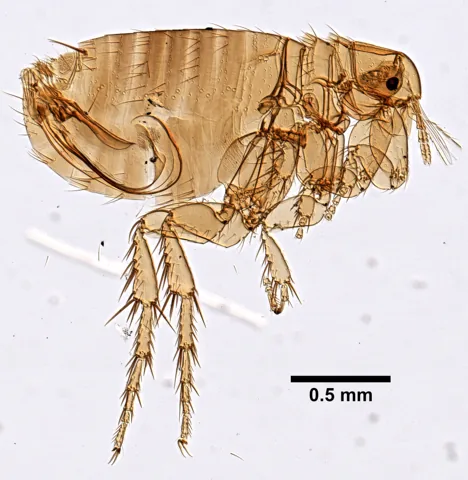 Oriental Rat Flea
Xenopsylla cheopis
The oriental rat flea is a parasite of rats and other small mammals and is best known for spreading two diseases to people: plague and flea-borne (murine) typhus. People are incidental hosts.
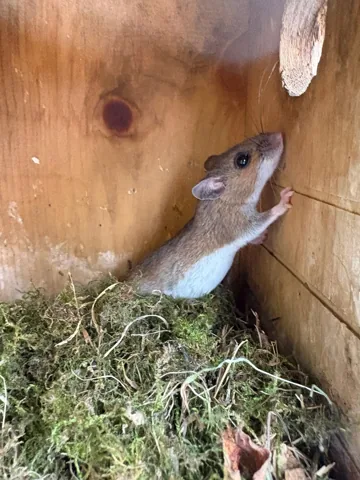 Deer Mouse
Peromyscus species (shown: P. maniculatus)
The deer mouse is a wild mouse with a white belly and a furred, two-toned tail that sometimes moves into cabins, sheds and homes. In the United States it spreads the most common hantavirus that causes hantavirus pulmonary syndrome (HPS), a severe and potentially deadly lung disease, so the droppings and nests it leaves need careful cleanup.
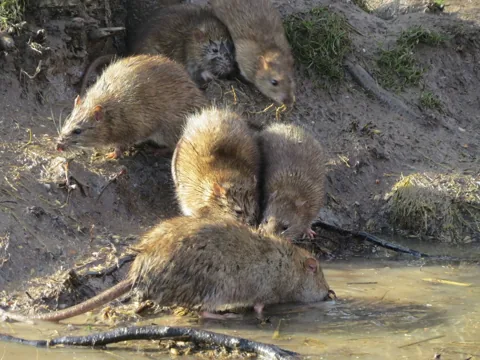 Norway Rat
Rattus norvegicus
The Norway rat, also called the brown or sewer rat, is a large, burrowing rat found throughout the contiguous United States wherever people live.
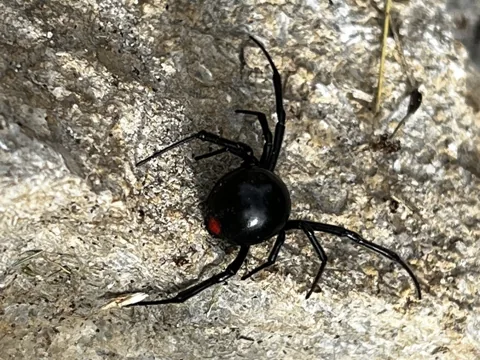 Southern Black Widow
Latrodectus mactans
Black widows are shy, web-building spiders with a neurotoxic venom; they live throughout North America and are most common in the southern and western United States. The southern black widow is found throughout states such as South Carolina.
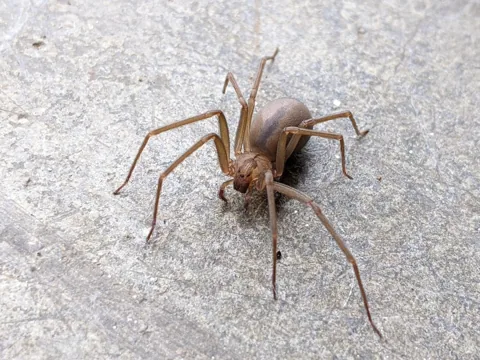 Brown Recluse
Loxosceles reclusa
The brown recluse is a secretive spider of the south-central and Midwestern United States whose bite can occasionally cause serious wounds; it is widely over-reported outside its range. The Illinois Department of Public Health says it occurs in roughly the southeastern quarter of the country and that bites are uncommon even where the spider is common.
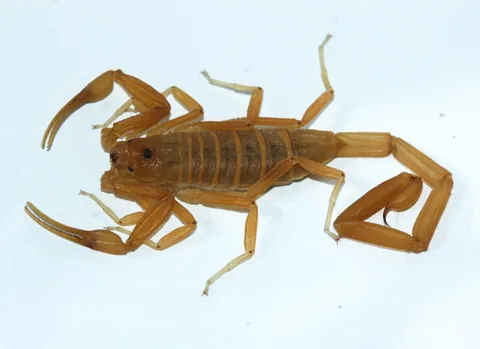 Arizona Bark Scorpion
Centruroides sculpturatus
The Arizona bark scorpion is a slender, climbing scorpion of the desert Southwest that often lives in and around homes. It is the only scorpion in the United States whose sting is considered a hazard to human health.
Ticks
- Lyme disease: spread by the blacklegged (deer) tick in the Northeast, mid-Atlantic and north-central states and by the western blacklegged tick along the Pacific Coast, per CDC.[1]
- Rocky Mountain spotted fever: CDC lists the American dog tick, the Rocky Mountain wood tick and the brown dog tick as the ticks that spread it in the United States.[2]
- Ehrlichiosis and anaplasmosis: CDC says ehrlichiosis bacteria are carried mainly by the lone star tick, and anaplasmosis by the blacklegged tick in the East and the western blacklegged tick on the West Coast.[3][4]
- Babesiosis: a blood parasite spread by the bite of the blacklegged (deer) tick, most often the young nymphs, per CDC.[5]
- Powassan virus: CDC says three ticks spread it, the groundhog tick, the squirrel tick and the blacklegged (deer) tick.[6]
- Alpha-gal syndrome: an allergy, also called red meat allergy or tick bite meat allergy, that CDC links to tick bites; people react after eating red meat or other products made from mammals.[7]
- Tularemia (rabbit fever): CDC lists tick and deer fly bites among the common sources of infection, along with contact with infected animals.[8]
- After any tick bite: CDC says to remove an attached tick as soon as possible and to see a doctor for a rash or fever in the days to weeks that follow.[9]
- Not sure which tick it was? Our tick identification guide covers the deer, lone star, dog and other ticks CDC maps across the country.[10]
Mosquitoes
- West Nile virus: CDC says mosquitoes pick up the virus from infected birds and then bite people.[11]
- Eastern equine encephalitis: a rare virus that circulates between mosquitoes and birds in swamps and reaches people through the bite of an infected mosquito, per CDC.[12]
- Dengue: CDC says it spreads through the bites of infected Aedes mosquitoes, which can bite during the day and night.[13]
Fleas
- Plague: CDC says the bacteria cycle among wild rodents and their fleas, and people usually get it from an infected rodent flea bite or by handling an infected animal.[16]
- Murine (flea-borne) typhus: spread through contact with infected fleas, most commonly the Oriental rat flea and the cat flea, per CDC.[17]
Rats and mice
- Hantavirus: CDC says people get it from contact with rats and mice, especially their urine, droppings and saliva; in the US the deer mouse spreads the most common type. Our page covers safe cleanup.[18]
- Leptospirosis: spread in the urine of infected animals, and people catch it through contact with water or soil holding that urine, especially after hurricanes, flooding or heavy rain, per CDC.[19]
- Rat-bite fever: CDC says it spreads through rodent bites, scratches, or contact with a rodent's saliva or urine.[20]
Bees, wasps, fire ants and stinging caterpillars
- Sting allergy: NIOSH says people allergic to venom may have anaphylaxis, a life-threatening reaction that needs immediate emergency care. This page explains normal swelling versus a dangerous reaction.[22][25]
- Fire ant stings: NIOSH lists fire ants with bees, wasps and hornets among the stinging insects that can harm outdoor workers. Our page covers the pustule, first aid and infection signs.[22]
- Stinging caterpillars: Clemson Extension says some species have hollow, stinging hairs with poison glands at the base. Our page covers identification and first aid.[28]
- Which insect stung you? Our bee, wasp and hornet guide covers the insects NIOSH names as stinging hazards.[22]
Spiders and scorpions
Other biting pests and bite identification
- Bug bite identification: what common bites and stings look like and when to get help. MedlinePlus says to call 911 for trouble breathing or swelling of the face or mouth after a sting.[25]
- Bitten at night? Our page covers bed bugs, mosquitoes, fleas and mites; MedlinePlus says to watch any bite over the next several days for signs of infection.[25]
- Chagas disease: CDC says it usually spreads through contact with triatomine bugs, sometimes called kissing bugs, and that the best way to prevent infection is to avoid their bites.[21]
- Chigger bites: MedlinePlus says chiggers are tiny six-legged larvae whose bites cause severe itching, usually starting several hours after they attach.[27]
- Mites that bite people: Texas A&M AgriLife says rat mites live in the nests of wild rodents and the tropical rat mite is one of the most common house-invading species.[30]
- No-see-ums: Clemson Extension says these biting midges are so small that most people never see one as it feeds.[29]
- Snakebite: NIOSH says to seek emergency medical attention as soon as possible and not to wait for symptoms to appear.[24]
Go to a doctor if
These are the signs CDC flags on its disease pages. Tell the doctor about the bite, the pest and where you were.[9][15][14]
- You get a rash or fever within several days to weeks after removing a tick (CDC).[9]
- After mosquito bites you develop a high fever, neck stiffness, muscle weakness, confusion or tremors; CDC says to seek immediate medical attention for these West Nile warning signs.[15]
- You have dengue symptoms and develop belly pain or tenderness, repeated vomiting, bleeding from the nose or gums, or feel extremely tired or restless: CDC says to go to a clinic or emergency room immediately, even after the fever has gone away.[14]
- You were bitten or scratched by a rodent and develop symptoms; CDC says to seek medical care immediately for rat-bite fever.[20]
- You cleaned up after mice or rats and then get fatigue, fever and muscle aches, followed by coughing and shortness of breath; CDC lists these as early and late hantavirus symptoms.[18]
- A bite or sting shows increasing redness, swelling or pain over the next several days, which MedlinePlus lists as signs of infection.[25]
Every bite, sting and disease page
- Ticks: Lyme disease
- Ticks: Rocky Mountain spotted fever
- Ticks: Ehrlichiosis and anaplasmosis
- Ticks: Babesiosis
- Ticks: Powassan virus
- Ticks: Alpha-gal syndrome
- Ticks: Tularemia
- Ticks: What to do after a tick bite
- Ticks: Types of ticks
- Mosquitoes: West Nile virus
- Mosquitoes: Eastern equine encephalitis
- Mosquitoes: Dengue in the US
- Fleas: Plague in the US
- Fleas: Murine (flea-borne) typhus
- Rats and mice: Hantavirus safety
- Rats and mice: Leptospirosis
- Rats and mice: Rat-bite fever
- Stinging insects: Insect sting allergy and anaphylaxis
- Stinging insects: Fire ant stings
- Stinging insects: Stinging caterpillars
- Stinging insects: Types of stinging insects
- Spiders and scorpions: Spider bites
- Spiders and scorpions: Scorpion stings
- Other biters: Bug bite identification
- Other biters: What is biting me at night?
- Other biters: Kissing bugs and Chagas disease
- Other biters: Chigger bites
- Other biters: Mites that bite people
- Other biters: No-see-ums and biting midges
- Other biters: Venomous snakes in the US
Photo credits
- Lone Star Tick: (c) Katja Schulz, some rights reserved (CC BY) — via iNaturalist, CC BY 4.0
- Rocky Mountain Wood Tick: (c) Toby, some rights reserved (CC BY) — via iNaturalist, CC BY 4.0
- Brown Dog Tick: (c) NoahM, some rights reserved (CC BY) — via iNaturalist, CC BY 4.0
- Western Blacklegged Tick: Randal, public domain (CC0), via iNaturalist
- Northern House Mosquito: (c) Donald Davesne, some rights reserved (CC BY) — via iNaturalist, CC BY 4.0
- Yellow Fever Mosquito: (c) Dan Mendelowitz, some rights reserved (CC BY) — via iNaturalist, CC BY 4.0
- Oriental Rat Flea: Daniel J. Drew, public domain (CC0), via Wikimedia Commons
- Deer Mouse: (c) Derek Duplessis, some rights reserved (CC BY) — via iNaturalist, CC BY 4.0
- Norway Rat: petehawkins, public domain (CC0), via iNaturalist
- Southern Black Widow: Carol Spence, public domain (CC0), via iNaturalist
- Brown Recluse: iamfindingplants, public domain (CC0), via iNaturalist
- Arizona Bark Scorpion: (c) Andrew Meeds, some rights reserved (CC BY) — via iNaturalist, CC BY 4.0
Sources
- Centers for Disease Control and Prevention, “Causes and How Lyme Disease Spreads.” www.cdc.gov/lyme/causes/index.html (accessed 2026-11-15)
- Centers for Disease Control and Prevention, “About Rocky Mountain Spotted Fever.” www.cdc.gov/rocky-mountain-spotted-fever/about/index.html (accessed 2026-11-15)
- Centers for Disease Control and Prevention, “Causes and How Ehrlichiosis Spreads.” www.cdc.gov/ehrlichiosis/causes/index.html (accessed 2026-11-15)
- Centers for Disease Control and Prevention, “About Anaplasmosis.” www.cdc.gov/anaplasmosis/about/index.html (accessed 2026-11-15)
- Centers for Disease Control and Prevention, “How Babesiosis Spreads.” www.cdc.gov/babesiosis/spreads/index.html (accessed 2026-11-15)
- Centers for Disease Control and Prevention, “About Powassan Virus.” www.cdc.gov/powassan/about/index.html (accessed 2026-11-15)
- Centers for Disease Control and Prevention, “About Alpha-gal Syndrome.” www.cdc.gov/alpha-gal-syndrome/about/index.html (accessed 2026-11-15)
- Centers for Disease Control and Prevention, “How Tularemia Spreads.” www.cdc.gov/tularemia/causes/index.html (accessed 2026-11-15)
- Centers for Disease Control and Prevention, “What to Do After a Tick Bite.” www.cdc.gov/ticks/after-a-tick-bite/index.html (accessed 2026-11-15)
- Centers for Disease Control and Prevention, “Where Ticks Live.” www.cdc.gov/ticks/about/where-ticks-live.html (accessed 2026-11-15)
- Centers for Disease Control and Prevention, “How West Nile Virus Spreads.” www.cdc.gov/west-nile-virus/causes/index.html (accessed 2026-11-15)
- Centers for Disease Control and Prevention, “Eastern Equine Encephalitis: Causes and How It Spreads.” www.cdc.gov/eastern-equine-encephalitis/cause-and-spread/index.html (accessed 2026-11-15)
- Centers for Disease Control and Prevention, “How Dengue Spreads.” www.cdc.gov/dengue/transmission/index.html (accessed 2026-11-15)
- Centers for Disease Control and Prevention, “Symptoms of Dengue and Testing.” www.cdc.gov/dengue/signs-symptoms/index.html (accessed 2026-11-15)
- Centers for Disease Control and Prevention, “Symptoms of West Nile.” www.cdc.gov/west-nile-virus/signs-symptoms/index.html (accessed 2026-11-15)
- Centers for Disease Control and Prevention, “How Plague Spreads.” www.cdc.gov/plague/causes/index.html (accessed 2026-11-15)
- Centers for Disease Control and Prevention, “About Flea-borne Typhus.” www.cdc.gov/typhus/about/murine.html (accessed 2026-11-15)
- Centers for Disease Control and Prevention, “About Hantavirus.” www.cdc.gov/hantavirus/about/index.html (accessed 2026-11-15)
- Centers for Disease Control and Prevention, “About Leptospirosis.” www.cdc.gov/leptospirosis/about/index.html (accessed 2026-11-15)
- Centers for Disease Control and Prevention, “About Rat-bite Fever.” www.cdc.gov/rat-bite-fever/about/index.html (accessed 2026-11-15)
- Centers for Disease Control and Prevention, “About Chagas Disease.” www.cdc.gov/chagas/about/index.html (accessed 2026-11-15)
- National Institute for Occupational Safety and Health (CDC), “Insects and Scorpions at Work.” www.cdc.gov/niosh/outdoor-workers/about/insects-and-scorpions.html (accessed 2026-11-15)
- National Institute for Occupational Safety and Health (CDC), “Venomous Spiders at Work.” www.cdc.gov/niosh/outdoor-workers/about/venomous-spiders.html (accessed 2026-11-15)
- National Institute for Occupational Safety and Health (CDC), “Venomous Snakes at Work.” www.cdc.gov/niosh/outdoor-workers/about/venomous-snakes.html (accessed 2026-11-15)
- MedlinePlus, U.S. National Library of Medicine, “Insect bites and stings (Medical Encyclopedia).” medlineplus.gov/ency/article/000033.htm (accessed 2026-11-15)
- MedlinePlus, U.S. National Library of Medicine, “Scorpions (Medical Encyclopedia).” medlineplus.gov/ency/article/002850.htm (accessed 2026-11-15)
- MedlinePlus, U.S. National Library of Medicine, “Chiggers (Medical Encyclopedia).” medlineplus.gov/ency/article/001333.htm (accessed 2026-11-15)
- Clemson Cooperative Extension Home & Garden Information Center, “Stinging Caterpillars (HGIC 2482).” hgic.clemson.edu/factsheet/stinging-caterpillars/ (accessed 2026-11-15)
- Clemson Cooperative Extension Home & Garden Information Center, “Gnats (HGIC 2533).” hgic.clemson.edu/factsheet/gnats/ (accessed 2026-11-15)
- Texas A&M AgriLife Extension, “Biting Mites (ENT-3009).” citybugs.tamu.edu/factsheets/biting-stinging/others/ent-3009/ (accessed 2026-11-15)