The short answer
- What spreads it: urine from infected animals. Rats and mice are a main source, along with dogs, livestock and wildlife such as mongooses and feral swine. People get infected when contaminated water or soil, or the urine itself, touches cuts, broken skin or the eyes, nose or mouth, or when they eat or drink something contaminated (CDC, Hawaii Department of Health).[1][3][7]
- Where: it occurs worldwide and is more common in warm climates. In the US, Hawaii's health department says Puerto Rico reports most cases, followed by Hawaii; in New York City, the city health department says rats are the most common cause (Hawaii DOH, NYC Health).[4][7][8]
- See a healthcare provider right away if you get fever, headache, chills, muscle aches, vomiting, diarrhea, red eyes or yellow skin and eyes within about 2 to 30 days after contact with floodwater, fresh water, wet soil or rat urine. Without treatment it can damage the kidneys and liver, cause meningitis and trouble breathing, and can kill (CDC, MedlinePlus).[1][2][6]
- Prevention: keep out of floodwater and fresh water that may hold animal urine, cover cuts with waterproof bandages, wear waterproof boots and gloves for cleanup, and control rats around the home (CDC, NYC Health).[1][2][8]
Rodents linked to leptospirosis
 Norway Rat
Rattus norvegicus
The Norway rat, also called the brown or sewer rat, is a large, burrowing rat found throughout the contiguous United States wherever people live.
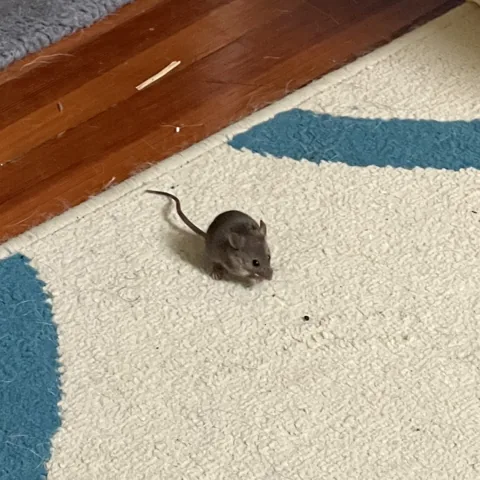 House Mouse
Mus musculus
The house mouse is a small, adaptable rodent that lives close to people in homes, schools and food businesses, eating and contaminating food, gnawing wiring and carrying disease.
Rats, wildlife and the urine that spreads it
Leptospirosis can infect pets, farm animals, rodents, wild animals such as feral swine, and marine mammals. Infected animals pass the bacteria in their urine, which contaminates water or soil (CDC). Hawaii's health department lists cattle, pigs, horses, dogs, rats, mice, mongooses and sea mammals.[3][7]
NYC Health says rats are the most common source of leptospirosis in the city, and that the best way to prevent it is to avoid contact with rats and places where they may have urinated.[8]
The bacteria get in through broken skin or through the eyes, nose or mouth. It is rarely spread from person to person (Hawaii DOH, NYC Health, MedlinePlus).[7][8][6]
MedlinePlus lists household exposures from pet dogs, livestock, rainwater catchment systems and infected rodents. If you are finding droppings in the house, start with the droppings guide; the hantavirus page covers safe cleanup of rodent nests and droppings.[6]
Floods, streams and wet soil
During hurricanes or heavy rain, urine from infected animals can wash out of soil into floodwater and into creeks and lakes, and cases can increase after these events (CDC). People can be infected by wading in floodwater with cuts in their skin, or by drinking or bathing in contaminated water when running water is out.[2]
Higher-risk activities include swimming, kayaking, canoeing or rafting in rivers, swamps or creeks; hiking or hunting; gardening and yardwork; and jobs in veterinary clinics, dairy farming, butchering and sanitation (CDC). MedlinePlus adds farmers, trappers, sewer workers and military personnel.[1][6]
Hawaii DOH warns against swimming or wading in any freshwater stream or pond in Hawaii, especially with open cuts or sores, and notes that putting your head underwater raises the risk through the eyes, nose and mouth.[7]
Where in the US
Human leptospirosis has been a nationally notifiable condition again since 2014. A CDC-led study with the Puerto Rico, Hawaii and New York City health departments found that CDC received 1,053 case reports from 34 jurisdictions from 2014 to 2020, that yearly cases were rising, and that cases rose in summer and peaked in early fall with warm weather and hurricane season (PLoS Neglected Tropical Diseases, 2025; CDC).[9][5]
The same study found most US cases were picked up at home, not abroad: most patients reported contact with animals or their body fluids, or with fresh water or mud, and few had traveled internationally in the month before getting sick (PLoS NTD, 2025).[9]
Sources differ on which place leads: Hawaii DOH says Puerto Rico reports most US cases, followed by Hawaii, while MedlinePlus says Hawaii has the highest number of cases in the United States. Both put Hawaii near the top.[7][6]
New York City: NYC Health says leptospirosis is rare in the city, but the number of people diagnosed has increased in recent years, and rats are the most common cause there.[8]
Symptoms and when to get care
It generally takes 2 to 30 days to get sick after contact with the bacteria (CDC). MedlinePlus gives the same range with an average of about 10 days; NYC Health says two days to four weeks.[1][6][8]
- Common symptoms: fever, body or muscle aches, headache, vomiting or nausea, yellowed skin and eyes (jaundice), diarrhea, chills, stomach pain, fatigue, red eyes and rash. Some people have no symptoms, and many symptoms look like other illnesses (CDC).[1]
- Two phases: people may feel better for a while and then get sick again; a more severe second phase can bring kidney or liver failure or meningitis (CDC). NYC Health also lists kidney failure, liver failure and meningitis as rare severe illness.[1][8]
- When to go: if you think you may have leptospirosis, see a healthcare provider right away so they can run tests and start treatment (CDC). After a flood, CDC says to watch for symptoms for 2 to 30 days and see a doctor immediately if you think you have it. MedlinePlus says to contact your provider if you have any symptoms or risk factors.[1][2][6]
- Tell the doctor about floodwater, fresh water, mud, rat or animal contact, since the symptoms are easy to mistake for other diseases (CDC).[1]
How it is diagnosed and treated
Doctors test blood for antibodies to the bacteria, and in some phases of illness PCR tests can find the bacteria themselves (MedlinePlus).[6]
Leptospirosis is treated with antibiotics prescribed by a doctor, and CDC advises clinicians to start treatment early rather than wait for lab results when they strongly suspect it. Serious cases may need hospital or intensive care (CDC, MedlinePlus).[1][4][6]
Without treatment, recovery can take several months, and the illness can cause kidney damage, meningitis, liver failure, trouble breathing and death (CDC). MedlinePlus says the outlook is generally good, but a complicated case can be fatal if not treated promptly.[1][6]
Prevention: water, gear and rodent control
There is no step that removes all risk, so CDC's advice layers several: avoid contaminated water, protect your skin, and keep rodents away from the places you live and work.[1][2]
- Stay out of water that may hold animal urine: don't swim, wade, bathe in or swallow floodwater or fresh water that may be contaminated, especially after hurricanes, floods or heavy rain (CDC). After flooding, make drinking water safe by boiling or treating it.[1][2]
- Cover cuts and scratches with waterproof bandages, and wear waterproof clothing, boots or shoes near floodwater or soil that may hold animal urine (CDC, MedlinePlus).[1][2][6]
- Cleaning up where rats have been: wear rubber gloves, especially with cuts or sores on your hands or arms, wash with soap and warm water afterward, and wear shoes when taking out trash (NYC Health). For the full wet-cleaning method for droppings and nests, use the hantavirus safety page.[8]
- Control rodents: keep food, water and trash in closed containers and trap rodents (CDC). Seal gaps and holes in and around your home so rodents can't get in (CDC). Hawaii DOH also advises controlling rats, mice and mongooses around the home and work site and removing their nests.[2][11][7]
- At work: CDC lists frequent handwashing, gloves, footwear and eye protection, cleaning and disinfecting equipment, vaccinating animals and controlling rodents around the work area.[1]
Dogs and leptospirosis
Dogs get infected through contact with contaminated urine or water, through bite wounds or damaged skin, or by eating infected meat or carcasses. Dogs that recover can keep shedding bacteria in their urine for months or even years (Merck Veterinary Manual).[10]
Signs: some dogs show none, but the most common pattern is sudden kidney disease, with sluggishness, loss of appetite, vomiting, dehydration, back pain and changes in urination. It can also cause liver failure with yellow gums, skin and eyes, muscle pain, bleeding, coughing or trouble breathing. Call your veterinarian promptly (Merck Veterinary Manual).[10]
Vaccine: Merck says vaccines are available for four of the most common types of leptospirosis in dogs but do not protect against all strains, and vaccination is usually recommended every year. Ask your veterinarian whether your dog should be vaccinated.[10]
Protect the family: Merck says to avoid contact with an infected dog's urine or blood, let it urinate only where the area can be cleaned and disinfected, wear gloves to clean up urine, wash hands after handling the dog, and talk to your doctor if you have health concerns.[10]
Common questions
- Can you get leptospirosis from rats?
- Yes. Rats and other rodents carry it in their urine. NYC Health says rats are the most common source in New York City and advises avoiding places where rats may have urinated.[8][3]
- Can you get leptospirosis from floodwater?
- Yes. Animal urine in soil can wash into floodwater, and CDC says cases can increase after hurricanes or floods. Don't wade with uncovered cuts, and watch for symptoms for 2 to 30 days afterward.[2][1]
- Is leptospirosis contagious between people?
- Rarely. CDC, MedlinePlus and Hawaii DOH say person-to-person spread is rare.[1][6][7]
- Is there a leptospirosis vaccine?
- For dogs, yes: Merck says vaccines cover four of the most common types; ask your veterinarian. For people, use the prevention steps on this page.[10]
- Is leptospirosis the same as hantavirus?
- No. Leptospirosis is a bacterial disease spread mainly through infected animal urine in water or soil (CDC); hantavirus is a virus covered on its own page. Both are reasons to avoid touching rodent urine and droppings.[1][8]
Photo credits
- Norway Rat: petehawkins, public domain (CC0), via iNaturalist
- House Mouse: (c) Carrie Seltzer, some rights reserved (CC BY) — via iNaturalist, CC BY 4.0
Sources
- Centers for Disease Control and Prevention, “About Leptospirosis.” www.cdc.gov/leptospirosis/about/index.html (accessed 2026-11-14)
- Centers for Disease Control and Prevention, “Preventing Leptospirosis after Hurricanes or Flooding.” www.cdc.gov/leptospirosis/prevention/index.html (accessed 2026-11-14)
- Centers for Disease Control and Prevention, “Leptospirosis in Animals.” www.cdc.gov/leptospirosis/pets/index.html (accessed 2026-11-14)
- Centers for Disease Control and Prevention, “Clinical Overview of Leptospirosis.” www.cdc.gov/leptospirosis/hcp/clinical-overview/index.html (accessed 2026-11-14)
- Centers for Disease Control and Prevention, “Leptospirosis Case Definition and Reporting.” www.cdc.gov/leptospirosis/php/surveillance/index.html (accessed 2026-11-14)
- MedlinePlus, National Library of Medicine, “Leptospirosis (Medical Encyclopedia).” medlineplus.gov/ency/article/001376.htm (accessed 2026-11-14)
- Hawaii State Department of Health, Disease Outbreak Control Division, “Leptospirosis.” health.hawaii.gov/docd/disease_listing/leptospirosis/ (accessed 2026-11-14)
- NYC Department of Health and Mental Hygiene, “Leptospirosis.” www.nyc.gov/site/doh/health/health-topics/leptospirosis.page (accessed 2026-11-14)
- PLoS Neglected Tropical Diseases (PubMed 40845049), “Epidemiological, temporal, and geographic trends of leptospirosis in the United States, 2014-2020 (PLoS Negl Trop Dis 2025;19(8):e0013427).” pubmed.ncbi.nlm.nih.gov/40845049/ (accessed 2026-11-14)
- Merck Veterinary Manual, “Leptospirosis in Dogs.” www.merckvetmanual.com/dog-owners/disorders-affecting-multiple-body-systems-of-dogs/leptospirosis-in-dogs (accessed 2026-11-14)
- Centers for Disease Control and Prevention, “How to Seal Up to Prevent Rodents.” www.cdc.gov/healthy-pets/rodent-control/seal-up.html (accessed 2026-11-14)