The short answer
- Webbing, small caterpillars or moths usually mean Indian meal moth; small brown beetles are often cigarette beetles or grain beetles; a tan dust that seems to move is grain mites. UC IPM, Clemson, Kentucky and Washington State describe these signs.[1][2][4][6]
- Throw out food that shows signs of infestation, sealed in a bag in an outdoor trash can with a tight lid, UC IPM and Clemson say. Before you toss it, write down or photograph the lot number, best-by date and UPC so you can report the problem; FDA says those details matter.[1][3][12]
- Keep dry food in its original bag and put the whole bag in a clean container with a tight-fitting lid. FDA recommends the bag-in-the-bin method, and UC IPM says to store pet food in lidded containers, not plastic bags.[12][1]
- Don't spray insecticide near the food or bowls. EPA says not to spray or store pesticide products near pet food or water dishes, and UC IPM says insecticides are not recommended for pantry pests.[11][1]
- If your pet gets sick after eating a food or treat, FDA says to stop feeding it and call your veterinarian. You can report a pet food problem to FDA through the Safety Reporting Portal.[12][14]
Bugs found in pet food and at the bowl
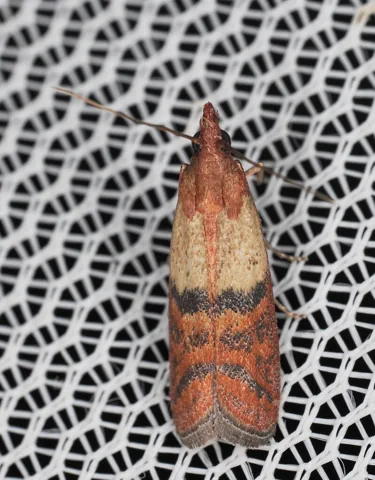 Indianmeal Moth
Plodia interpunctella
The Indianmeal moth is the most common moth infesting stored food in the home; all damage is done by the larvae, which feed in cereals, flour, nuts, dried fruit, chocolate and pet food.
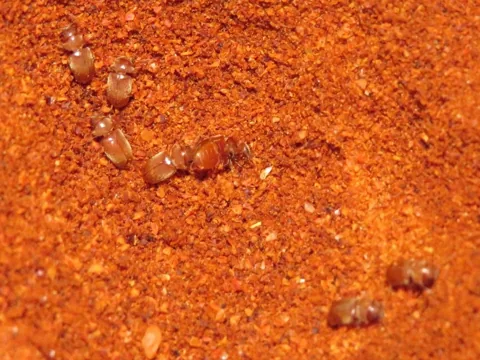 Cigarette Beetle
Lasioderma serricorne
The cigarette beetle is the most important insect pest of stored tobacco, and Texas A&M calls it the most common pantry pest in Texas. In homes its larvae feed in spices, pet food, flour, cereals and dried plant decorations. The University of Florida calls it the most damaging pest of stored tobacco and a major pest of many stored foods.
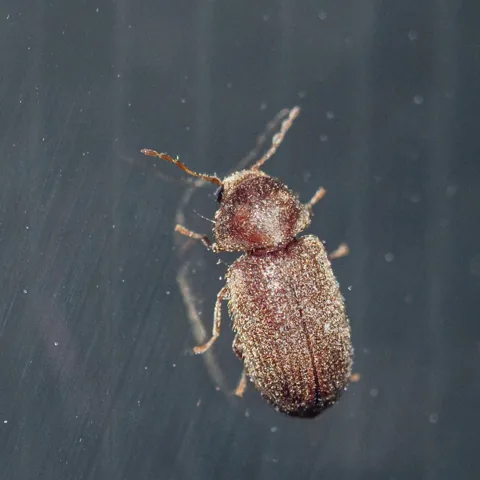 Drugstore Beetle
Stegobium paniceum
The drugstore beetle is a very general feeder said to "eat anything except cast iron"; in homes it most often infests pet food, drugs, cereals and spices.
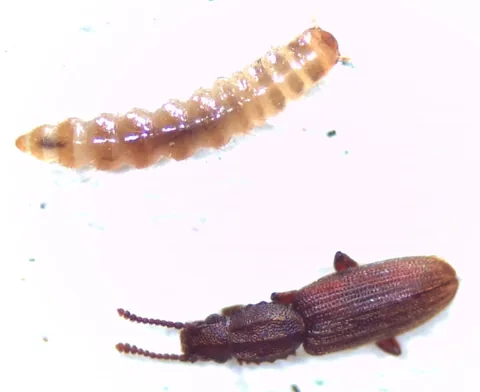 Sawtoothed Grain Beetle
Oryzaephilus surinamensis
The sawtoothed grain beetle is one of the most common beetles in home pantries; Georgia Extension rates it nearly as common as the Indianmeal moth. Both adults and larvae feed in dry foods of plant origin, and the first thing most people notice is small beetles crawling over shelves and counters. UF/IFAS calls it one of the most important stored-product pests in homes and grocery stores.
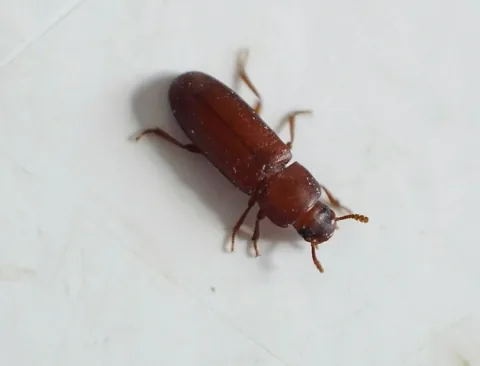 Red Flour Beetle
Tribolium castaneum
The red flour beetle is a shiny reddish-brown beetle that lives in flour, mixes and other processed or broken grain products; it can't chew into whole, sound kernels. Researchers call it a major storage pest. The University of Florida counts it among the most important pests of stored products in homes and grocery stores, and says every life stage can turn up in infested grain products at the same time.
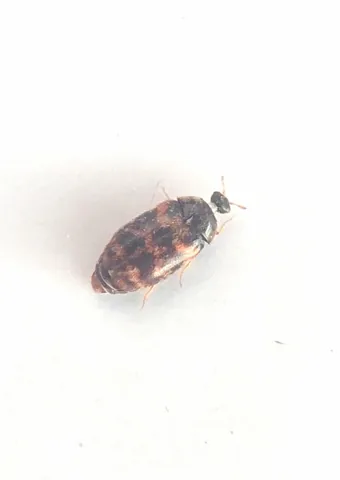 Warehouse Beetle
Trogoderma variabile
The warehouse beetle is a dermestid beetle that infests a very wide range of dry foods, from cereals and flour to pet food, nuts, spices and candy. Its hairy larvae do the feeding, and their shed hairs make infested food unfit to eat.
No photo yet
Grain Mite
Acarus siro
The grain mite, also called the flour mite, is a tiny, pale mite that multiplies in damp flour, grain and other stored foods. When numbers get high, the food, the bag or the shelf looks like it is covered in moving dust.
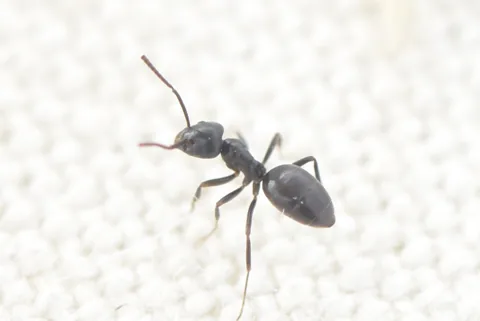 Odorous House Ant
Tapinoma sessile
The odorous house ant is a small native ant found across most of the United States that trails into homes for sweets and gives off a strong, rotten odor when crushed. Texas A&M says it ranges from Canada to Mexico but is rarely found in the southwestern deserts.
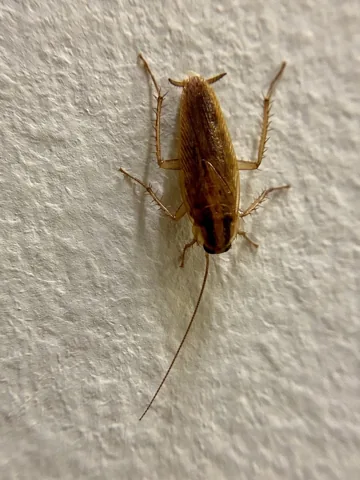 German Cockroach
Blattella germanica
The German cockroach is the most common cockroach living indoors in California and perhaps worldwide, especially in apartment buildings, and it has the fastest reproductive cycle of the common pest cockroaches. Penn State and Kentucky call it the most common cockroach in homes, apartments and other buildings, and Kentucky says it does not live outdoors.
Which bug is in the pet food?
Moths and caterpillars. Clemson lists dry dog or cat food and bird seeds among the foods Indian meal moth larvae eat. UC IPM says webbing in tight places of a package, or tiny holes in it, are signs of a pantry pest, and Kentucky says caterpillars crawling up walls or across ceilings are often the first thing people notice. See our Indian meal moth profile.[2][1][4]
Small brown beetles. UC IPM says the cigarette beetle is most commonly found in pet foods, cereals, nuts and candy in the home, and Kentucky says cigarette beetles are most commonly found in dried dog food and paprika. UC IPM says the drugstore beetle also eats pet foods.[1][4]
Slender flat beetles. Kentucky says flour beetles and the sawtoothed grain beetle feed on processed grains and on dry dog food, among many other products.[4]
Hairy larvae. UC IPM lists pet foods among the many foods the warehouse beetle eats, and says any food found infested with this beetle should be discarded.[1]
Moving dust. Washington State says grain mites infest flour, cereals, dried fruits and pet foods, are barely visible, and can be so numerous that the surface seems to move. Kentucky and Washington State both describe a tan "mite dust" of living and dead mites on shelves or bags near infested food.[6][5]
Ants and roaches at the bowl are a different problem: they come for food left out, not to breed in the bag. Jump to the bowls section below.[10][9]
Should you throw the bag out?
Yes, if it shows signs of infestation. UC IPM says to throw away any food that has evidence of infestation, and Clemson says the most important step is to find and discard all infested materials.[1][3]
Bag it and get it out of the house. Clemson says to put infested material only in outdoor trash cans fitted with a tight lid, and FDA says to throw out old or spoiled pet food in a securely tied plastic bag in a covered trash can.[3][13]
Save the label details first. FDA says the lot number, best-by date and full product name are important when you file a complaint, and that less than half of the pet food complaints it receives include the lot number. A phone photo of the bag does the job.[12]
Check everything near it. UC IPM says that by the time insects are noticed they have usually spread to other packages, so inspect all packages, especially opened ones. Kentucky says the more insects you see, the older the infestation.[1][4]
For bags that look clean, freezing is a precaution. Clemson says items not meant for human consumption can be placed in a freezer for a few days to kill any existing insects. Our freezing guide gives the details; treats and food with live insects or webbing should still go.[3][1]
Where the bugs came from
Often from the pet food itself. Clemson says household Indian meal moth infestations are often traced to bird seed and dry pet food, and Kentucky says to look at bird seed and decorative items if the source isn't in the pantry.[2][4]
From a bag in another room. Clemson says to make sure the insects aren't coming from somewhere else, such as a bag of dog food in the garage, and that infestations that start in the garage can move into the kitchen and pantry as numbers grow.[3]
From a forgotten bag. Kentucky says the first source is often a partly used box or bag forgotten at the back of a shelf, and UC IPM says insects more often infest opened packages than ones with their original seal.[4][1]
Sometimes from the store. Clemson says an infestation can occur when the factory seal on a box or bag is not adequate, so check new bags before you buy. FDA says not to buy pet food if the packaging has dents, tears or discoloration.[3][13]
Bird seed is its own case: see our bird feeder pests page for storing seed and handling infested seed.[2]
Storing pet food so bugs can't get in
Put the whole bag in the bin. FDA says to keep pet food and treats in the original container or bag, and if you want another container, to put the entire bag into it rather than pouring the kibble in. If you do pour it, FDA says to use a clean, dry container with a snug lid and tape the lot number, best-by date and product name to the outside.[12]
Use a lid, not a plastic bag. UC IPM says to store pet food in containers with tight-fitting lids, not plastic bags, and Clemson says Indian meal moth larvae can get through packaging materials and even plastic film.[1][2]
Keep it apart from your pantry. Washington State says to keep dry pet foods away from the general pantry area in tightly sealed containers, so one infested bag cannot spread to your own food.[6]
Keep it cool and dry. FDA says to store dry pet food in a cool, dry place, and Kentucky and Washington State say grain mites build up fast in humid conditions and favor moist areas.[12][5][6]
Buy what you'll use. Washington State says to buy susceptible foods in small amounts, use them promptly and not store animal feeds and similar products for long periods.[6]
Treats too. UC IPM says the cigarette beetle also eats animal products such as dried fish and meats, so keep treats sealed and in a secure spot, as FDA advises.[1][12]
Cleaning the bin and the storage area
Wash the bin between bags. FDA says to wash and dry the storage container between one bag of kibble and the next to get fat and crumbs off its surfaces, and UC IPM says to wash old containers before filling them with new food.[12][1]
Vacuum, then clean. UC IPM says to vacuum corners and crevices of cupboards and wash shelves with soap and water. Kentucky says to vacuum shelf tops and undersides and use a crevice tool, doing one thorough job rather than repeated hasty ones.[1][4]
Sources differ on water. Clemson's Indian meal moth sheet says not to clean cabinets with water because it may leave a pasty residue the pest likes, and to vacuum dust and debris instead; UC IPM recommends soap and water. Either way, let shelves dry fully before restocking.[2][1]
Clemson says to wash reusable containers that held an infestation and to clean in and around the storage area and replace shelf paper if needed.[3]
For grain mites, Kentucky says a thorough cleanup, sealed storage and ventilation to cut humidity will bring the problem under control without contaminating food areas with insecticide.[5]
Ants and roaches at the food bowl
Don't leave food out. Illinois Extension says that if ants are eating the dry pet food, feed your pets and don't leave leftovers, so the ants look elsewhere. Kentucky says pet food should not be left out overnight in a home with cockroaches.[10][9]
Wash bowls. FDA says to wash and dry pet food bowls after each use and wash water bowls daily, which also removes crumbs that draw insects.[12]
Wipe the trail. UC IPM says to clean up invading ants with a sponge and soapy water to remove the scent trail they leave.[7]
Cut off food and water. UC IPM says roaches need food, water and shelter, that removing food and water sources and fixing leaks matters, and that sprays alone do not give long-term control.[8]
If you use ant or roach baits, keep them where pets can't reach. UC IPM says to avoid placing ant bait stations where pets and small children can get them, and EPA says to make sure animals can't get at bait products. Our ant and cockroach guides cover the rest.[7][11]
Why not to spray near pet food or bowls
EPA says don't spray or store cleaning or pesticide products near pet food or water dishes, and to keep pets away from treated areas as the label directs.[11]
It doesn't fix the problem. UC IPM says insecticides are not recommended for controlling pantry pests and that spraying on or near food may cause more harm than the pests. Washington State says pesticide use is not recommended in or near food storage areas and not to spray foodstuffs.[1][6]
Kentucky says insecticides are generally not recommended in the kitchen or storage area for grain mites. Clemson calls spraying a last resort, says never to spray food products and, if you do spray, to direct it only into cracks and crevices.[5][3]
The fix is the cleanout: find and toss infested food, vacuum and wash, and store food sealed. Our pet-safe pest control guide covers other products around pets.[1][3]
Reporting a problem with pet food to FDA
FDA says you can report complaints about a pet food product electronically through the Safety Reporting Portal. Its examples of problems include a foul odor, off color, a swollen or leaking can or pouch, and a foreign object found in the product.[14]
Have the label details ready. FDA asks for the exact product name, container type, lot number, best-by date, UPC, net weight, purchase date and store, and how the food was stored, and asks you to keep the original packaging until the food is used up.[14]
Tell the maker too. FDA encourages reporting a pet food problem to both FDA and the manufacturer, and its portal FAQ says to still report to FDA even if you already told the store or manufacturer.[12][15]
If your pet is sick, FDA says to stop feeding the product and call your veterinarian, and the complaint form asks for your pet's signs, when they started and your vet's contact information.[12][14]
Common questions
- My dog or cat ate food with bugs in it. What should I do?
- Stop feeding that bag. FDA says that if your pet has a health problem related to a pet food or treat, stop feeding the product and call your veterinarian.[12]
- Can I just freeze the infested bag and keep using it?
- UC IPM says to throw away food with evidence of infestation. Clemson suggests freezing non-human items as a precaution to kill hidden insects, which suits bags that look clean, not ones with webbing or live bugs.[1][3]
- Why were there bugs in a brand-new bag?
- Clemson says an infestation can start when the factory seal on a bag is not adequate, and that Indian meal moth larvae can get through packaging. Save the lot number and report it; FDA takes reports through the Safety Reporting Portal.[3][2][14]
- Is a plastic bin with a lid enough?
- A clean bin with a tight-fitting lid is what UC IPM and FDA recommend; FDA suggests keeping the original bag inside it so the lot number stays with the food.[1][12]
- Can I spray bug spray around the food bin or bowls?
- No. EPA says not to spray or store pesticide products near pet food or water dishes, and UC IPM says insecticides are not recommended for pantry pests.[11][1]
Photo credits
- Indianmeal Moth: (c) Rosario Douglas, some rights reserved (CC BY) — via iNaturalist, CC BY 4.0
- Cigarette Beetle: (c) Ezequiel Vera, some rights reserved (CC BY) — via iNaturalist, CC BY 4.0
- Drugstore Beetle: (c) Arsen Vorobei, some rights reserved (CC BY) — via iNaturalist, CC BY 4.0
- Sawtoothed Grain Beetle: (c) aubrey_moore, some rights reserved (CC BY) — via iNaturalist, CC BY 4.0
- Red Flour Beetle: (c) Roman, some rights reserved (CC BY) — via iNaturalist, CC BY 4.0
- Warehouse Beetle: (c) Viktor Strenada, some rights reserved (CC BY) — via iNaturalist, CC BY 4.0
- Odorous House Ant: Thompson Hyggen, public domain (CC0), via iNaturalist
- German Cockroach: (c) Sandra H Statner, some rights reserved (CC BY) — via iNaturalist, CC BY 4.0
Sources
- University of California Statewide IPM Program, “Pantry Pests.” ipm.ucanr.edu/home-and-landscape/pantry-pests/ (accessed 2026-11-15)
- Clemson Cooperative Extension Home & Garden Information Center, “Indian Meal Moth.” hgic.clemson.edu/factsheet/indian-meal-moth/ (accessed 2026-11-15)
- Clemson Cooperative Extension Home & Garden Information Center, “Pantry Pests.” hgic.clemson.edu/factsheet/pantry-pests/ (accessed 2026-11-15)
- University of Kentucky Entomology, “Stored Product Pests in the Pantry (ENTFACT-612).” entomology.mgcafe.uky.edu/ef612 (accessed 2026-11-15)
- University of Kentucky Entomology, “Grain Mites (ENTFACT-629).” entomology.mgcafe.uky.edu/ef629 (accessed 2026-11-15)
- Washington State University Extension (Pestsense), “Mites in stored foods.” pestsense.cahnrs.wsu.edu/fact-sheet/mites-in-stored-foods/ (accessed 2026-11-15)
- University of California Statewide IPM Program, “Ants.” ipm.ucanr.edu/home-and-landscape/ants/ (accessed 2026-11-15)
- University of California Statewide IPM Program, “Cockroaches.” ipm.ucanr.edu/home-and-landscape/cockroaches/ (accessed 2026-11-15)
- University of Kentucky Entomology, “Cockroach Elimination in Homes and Apartments (ENTFACT-614).” entomology.mgcafe.uky.edu/ef614 (accessed 2026-11-15)
- University of Illinois Extension, “Warmer Weather and Ants.” extension.illinois.edu/blogs/over-garden-fence/2014-12-19-warmer-weather-and-ants (accessed 2026-11-15)
- U.S. Environmental Protection Agency, “Read the Label First: Protect Your Pets.” www.epa.gov/pets/read-label-first-protect-your-pets (accessed 2026-11-15)
- U.S. Food and Drug Administration, “Proper Storage of Pet Food & Treats.” www.fda.gov/animal-veterinary/animal-health-literacy/proper-storage-pet-food-treats (accessed 2026-11-15)
- U.S. Food and Drug Administration, “Tips for Safe Handling of Pet Food and Treats.” www.fda.gov/animal-veterinary/animal-health-literacy/tips-safe-handling-pet-food-and-treats (accessed 2026-11-15)
- U.S. Food and Drug Administration, “How to Report a Pet Food Complaint.” www.fda.gov/animal-veterinary/report-problem/how-report-pet-food-complaint (accessed 2026-11-15)
- U.S. Food and Drug Administration, “Pet Food Safety Reporting Portal Frequently Asked Questions.” www.fda.gov/animal-veterinary/report-problem/pet-food-safety-reporting-portal-frequently-asked-questions (accessed 2026-11-15)